

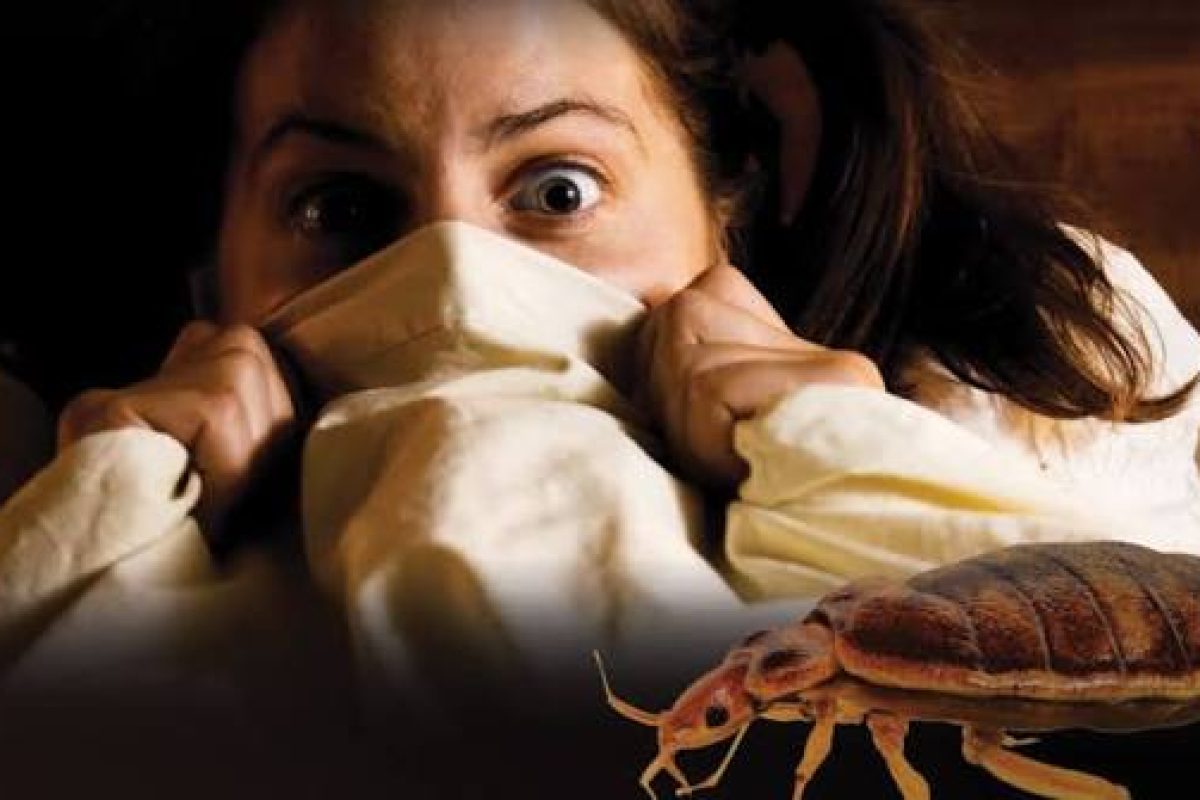
OCD of Bugs (Bug OCD): Understanding the Fear, Symptoms, Treatment, and Recovery
OCD of Bugs: Have you ever worried that a bug might be hiding in your bed, your clothes, or your food? Most people experience occasional concerns about insects. However, for individuals with Obsessive-Compulsive Disorder (OCD), these thoughts can become persistent, distressing, and difficult to control.
Some people repeatedly inspect their surroundings for insects, wash excessively after seeing a bug, avoid parks or gardens, or spend hours cleaning their homes because they fear contamination or infestation. These experiences are often referred to as Bug OCD or OCD of Bugs. While “Bug OCD” is not a separate diagnosis in psychiatric classification systems, it commonly describes OCD symptoms centered on insects, contamination fears, or intrusive thoughts involving bugs.
This article explains what Bug OCD is, why it develops, common symptoms, diagnosis, evidence-based treatment options, and practical strategies for recovery.
What Is OCD of Bugs?
Bug OCD refers to a pattern of obsessive thoughts and compulsive behaviors related to insects, bugs, worms, cockroaches, ants, spiders, mosquitoes, bed bugs, or other small creatures. The distress is usually driven by intrusive thoughts rather than the actual presence of insects.
For example, a person may repeatedly think:
- “What if there are bugs in my bed?”
- “What if insects have contaminated my food?”
- “What if I accidentally carry bugs into my house?”
- “What if I become sick because of insects?”
- “What if I spread bugs to my family?”
These intrusive thoughts create anxiety, which often leads to compulsive behaviors aimed at reducing distress.
It is important to understand that the problem is not simply disliking insects. Rather, it is the repetitive cycle of obsessions and compulsions that significantly interferes with daily life.
Is OCD of Bugs a Recognized OCD Subtype?
Although Bug OCD is not an official diagnostic category, mental health professionals often view it as a presentation of OCD involving themes such as:
- Contamination OCD
- Harm-related OCD
- Responsibility OCD
- Health-related OCD
- Magical thinking in some cases
The diagnosis remains Obsessive-Compulsive Disorder, with the individual’s obsessions focused on insects or contamination.
Why Does OCD of Bugs Develop?
Like other forms of OCD, Bug OCD develops through a combination of biological, psychological, and environmental factors.
Biological Factors
Research suggests that OCD involves differences in brain circuits responsible for fear processing, habit formation, and decision-making. Genetics may also contribute to a person’s vulnerability.
Psychological Factors
People with OCD often experience:
- Inflated responsibility
- Perfectionism
- Intolerance of uncertainty
- Overestimation of threat
- Difficulty accepting doubt
These thinking patterns can make ordinary concerns about insects become persistent obsessions.
Environmental Factors
Certain life experiences may contribute, including:
- Previous insect infestations
- Childhood experiences involving bugs
- Exposure to frightening stories about insects
- High levels of stress or anxiety
- Family accommodation of compulsive behaviors
Common Symptoms of OCD of Bugs
Symptoms vary from person to person, but may include the following.
Obsessions
Obsessions are unwanted, repetitive thoughts, images, or urges that create anxiety.
Common obsessions include:
- Fear that bugs are hiding in the home
- Fear of bringing insects indoors
- Fear that food has been contaminated by bugs
- Fear of insect bites causing illness
- Fear that insects are crawling on the body despite no evidence
- Fear that family members may become infected or harmed
Compulsions
Compulsions are repetitive behaviors or mental acts performed to reduce anxiety.
Examples include:
- Excessive checking of beds, furniture, and clothing
- Repeated inspection of food
- Frequent cleaning or disinfecting
- Excessive handwashing
- Reassurance seeking from family members
- Avoiding outdoor places
- Throwing away items believed to be contaminated
- Repeated showering after being outside
Although these behaviors may provide temporary relief, they reinforce the OCD cycle and make symptoms persist over time.
How Bug OCD Affects Daily Life
Without treatment, Bug OCD can affect many areas of life.
Individuals may experience:
- Difficulty sleeping due to repeated checking
- Reduced productivity at work or school
- Avoidance of travel or social activities
- Family conflict caused by repeated reassurance seeking
- Financial burden from unnecessary cleaning products or pest-control services
- Emotional exhaustion and reduced quality of life
Many people recognize that their fears are excessive, yet they still feel unable to stop the compulsions.
Real-Life Example of OCD of Bugs
Imagine a person who notices a small insect near the kitchen sink.
Most people would remove the insect and continue their day.
A person with Bug OCD may instead think:
“What if there are hundreds of bugs hidden in the house? What if they contaminate everything? What if my family becomes sick because I didn’t clean properly?”
This thought may trigger hours of cleaning, repeated inspections, internet searches about infestations, and reassurance seeking. Even after completing these rituals, anxiety often returns, leading to another cycle of compulsions.
Causes and Risk Factors
Several factors may increase the likelihood of developing OCD, including:
- Family history of OCD or anxiety disorders
- Stressful life events
- Personality traits such as perfectionism
- Cognitive patterns involving intolerance of uncertainty
- Previous experiences with infestations or contamination concerns
No single factor causes OCD, and most cases arise from multiple interacting influences.
Diagnosis
There is no laboratory test for Bug OCD. Diagnosis is based on a comprehensive clinical assessment by a qualified mental health professional.
Assessment typically includes:
- Nature of intrusive thoughts
- Presence of compulsive behaviors
- Time spent on symptoms
- Degree of distress
- Impact on daily functioning
- Screening for other mental health conditions
An accurate assessment helps distinguish OCD from specific phobias, psychotic disorders, delusional infestation, generalized anxiety disorder, or realistic concerns about an actual pest infestation.
Key Takeaway
Bug OCD is not simply a dislike of insects. It involves a recurring cycle of intrusive thoughts, anxiety, and compulsive behaviors that can significantly disrupt daily life. With evidence-based treatment, many people experience substantial improvement and regain confidence in everyday activities.
Contact us:
Call: +91 9368503416
Email: info@emotionoflife.in
Visit: Emotion of Life Official Website
Book Now | Review | OCD Types | Meet Our Experts | Success Stories| Contact Us| MyPsychologist