
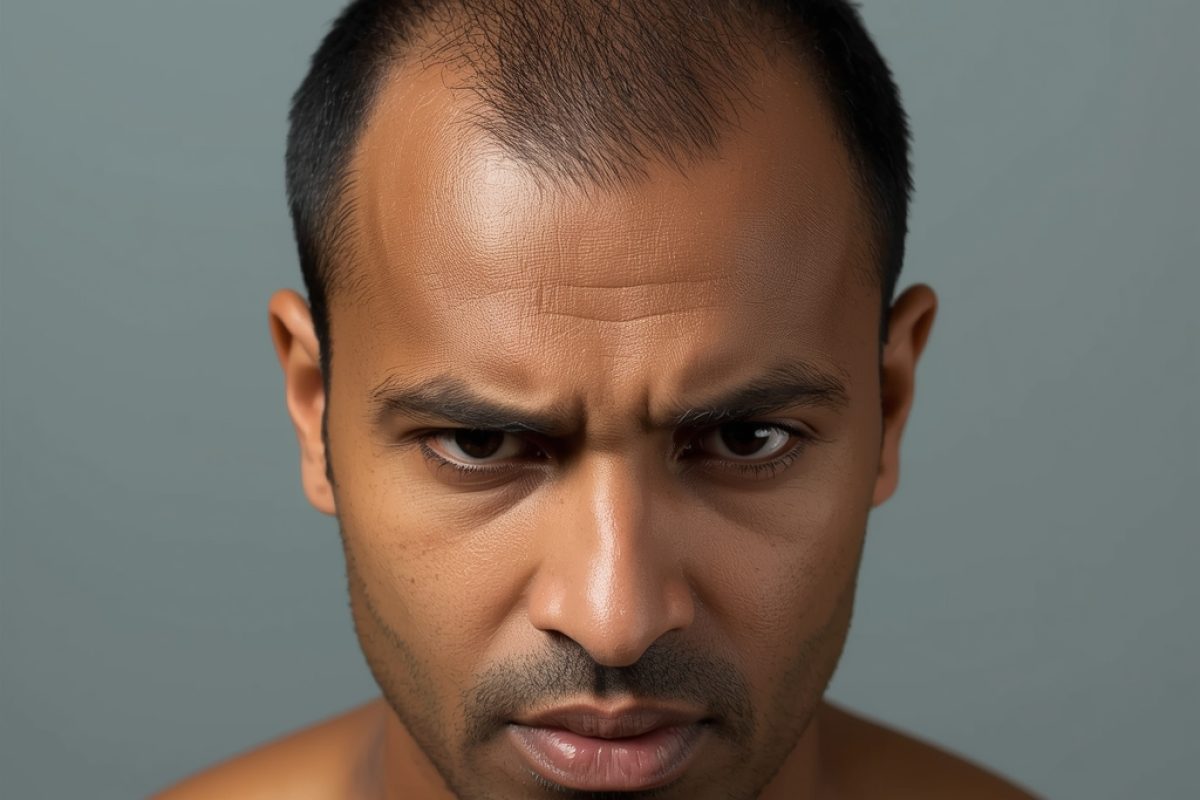
Understanding the underlying causes of hair-focused OCD adheres to a multi-faceted model similar to that of OCD at large, encompassing cognitive styles, personality traits, and environmental triggers.
Personality traits such as perfectionism, intolerance of uncertainty, heightened self-consciousness, and significant anxiety may predispose individuals to focus intensely on hair as a domain they can control.
Environmental factors like childhood teasing about appearance, criticism from hairstylists, or witnessing hair loss in a close family member can initiate a hair-related obsession.
Cultural influences that equate youth and beauty with value amplify these stresses, particularly in communities where hair carries significant cultural or identity implications.
Treatment for Hair OCD
Effective treatment for hair focus OCD is evidence-based, multi-faceted, and customized to the individual’s specific symptom profile.
Cognitive Behavioral Therapy (CBT)
CBT starts with identifying the obsession-compulsion cycle: recognizing triggers, the intrusive belief (e.g., “My hair is flawed or I’m losing hair”), the compulsive ritual (e.g., mirror checking, smoothing, camouflaging), and the temporary relief that upholds the cycle. Cognitive restructuring focuses on challenging distorted thoughts, such as catastrophizing, mind-reading (“Others have noticed my thinning hair”), and overgeneralizing.
Exposure and Response Prevention (ERP)
ERP serves as the behavioral strategy that dismantles compulsive habits. In hair-focused ERP, exposure tasks are crafted to elicit hair-related anxiety while preventing ritualistic responses. Initial exposures might be low-stakes, such as taking an unedited selfie without immediate checking or leaving hair unstyled for a set period. As comfort increases, the intensity of exposures may intensify: attending social events without engaging in pre-styling rituals or refraining from using hair products for a day.
Acceptance and Commitment Therapy (ACT)
ACT complements CBT/ERP by shifting focus from eliminating symptoms to enriching life according to one’s values despite intrusive thoughts. ACT fosters psychological flexibility, helping clients observe hair-related thoughts without fusion, applying cognitive defusion strategies (viewing thoughts as mere mental events), and defining values that matter more than transient hair worries, like relationships or career aspirations. For individuals who have narrowed their identities to their hair’s appearance, ACT encourages small, values-driven actions that gradually rebuild a sense of self not exclusively tied to hair perfection.
Wellness coaching
Serves as an “upgrading principle” supporting therapeutic progress and fostering durable change. Coaches partner with clients on daily practices that stabilize mood and enhance their capacity for ERP, such as establishing stable sleep patterns to reduce sensitivity, engaging in regular exercise to manage stress, ensuring balanced nutrition for energy and scalp health, and employing mindfulness techniques to address urges.
Coaches can also assist in creating manageable hair-care routines that maintain hygiene and aesthetic goals without enabling rituals, developing a structured grooming schedule, choosing effective products, and determining a realistic approach for addressing genuine hair health concerns.
Personality dynamics course correction
Involves correcting deeper cognitive and emotional patterns that perpetuate hair-focused OCD. Many clients display perfectionism, strict moral values, or an exaggerated sense of responsibility regarding appearance. Therapy investigates the formative experiences that cultivated these internal rules, such as familial messages about appearance, societal pressures, or trauma linked with public shaming, and aids clients in re-authoring these narratives.
Establishing healthy coping strategies
Provides immediate tools to manage urges and avert relapse. Grounding techniques, brief breathing exercises, and timed distraction activities can disrupt the urge-check cycle. Behavioral alternatives such as imposing a two-minute limit on mirror checks, relying on one trusted friend for reality checks rather than multiple sources of reassurance, or using a timer to delay rituals by 15 minutes, foster new behavioral pathways. Gradually, these coping mechanisms can become habitual and replace compulsive behaviors.
Enhancing emotional and mental health
Is crucial for recovery. Persistent shame, social withdrawal, and low mood are common experiences among those with hair-focused OCD, necessitating interventions that include emotional regulation techniques, social re-engagement initiatives, and trauma-informed care when required.
Peer support can diminish feelings of isolation while modeling recovery behaviors; family sessions can educate loved ones on how to avoid inadvertently supporting rituals through reassurance while providing constructive support. Focusing on sleep quality, stress management, and enjoyable activities cultivates resilience, making it less likely for intrusive thoughts to dominate a person’s daily life.
Success Story – I
Ajay, a 28-year-old marketing executive, had been living under the silent pressure of his hair for years. Every morning started with a long mirror ritual, examining each strand, adjusting volume, applying oils, and checking for any signs of hair loss.
He spent almost an hour before work just trying to “look right.” If a single strand was out of place, he’d feel intense panic and shame throughout the day. At first, Ajay thought he was just “too particular.” But when his relationships and work began to suffer as he frequently cancelled meetings, avoided public outings, and spent excessive money on hair treatments, he realized something was wrong.
Through CBT, Ajay started to challenge his internal belief that “my appearance defines my success.” Slowly, he began to detach self-worth from his hair. ERP therapy helped him confront triggers like going out without styling his hair perfectly and resist checking mirrors repeatedly. He also practiced ACT, learning to accept that some thoughts about hair may come and go, but they didn’t define his identity.
Mr. Shyam Gupta introduced him to wellness coaching like focusing on holistic well-being through exercise, nutrition, journaling, and creative hobbies. As Ajay learned personality dynamics and coping mechanisms, he began focusing on authenticity over appearance. Six months later, he reported immense freedom. He still notices his hair, but it no longer controls his life. His reflection now represents self-acceptance, not self-criticism.
Success Story – II
Vineet, a 24-year-old college student, used to experience overwhelming anxiety over hair fall. Every morning, he would count the strands on his pillow and comb. The fear that he was “going bald” consumed his thoughts, making him feel helpless and anxious. He avoided swimming, wind, or any activity that could “mess up” his hair. His OCD spiraled into daily rituals like checking mirrors in car windows, asking friends if his hair looked fine, and repeatedly washing it to “protect” it. Even though medical tests showed no significant hair loss, his intrusive thoughts persisted: “What if it’s just beginning? What if I look ugly?”
Using CBT and ERP, he learned to stop seeking reassurance and gradually faced triggers such as stepping outside without fixing his hair or resisting the urge to check mirrors for a day. It was challenging, but each small success reduced his anxiety. With ACT, Vineet practiced accepting discomfort and uncertainty about his appearance. Instead of fighting the thought “I might lose my hair,” he acknowledged it mindfully and moved on.
His therapist also incorporated wellness coaching, guiding him to focus on overall emotional health like healthy eating, meditation, and positive affirmations. Through personality dynamics course correction, Vineet explored how perfectionism and self-image issues from childhood shaped his OCD. By addressing the roots, he built resilience and a stronger sense of identity. Today, Vineet feels confident, not because his hair looks “perfect,” but because he no longer ties his worth to it. He now speaks openly about mental health and encourages others struggling with appearance-related OCD to seek help.
Conclusion
In summary, hair focus OCD is a treatable yet challenging condition in which obsessions regarding hair and appearance dominate an individual’s attention and actions. A compassionate, layered approach that combines CBT and ERP to break compulsive cycles, ACT to pivot towards values-driven living, wellness coaching to enhance daily life, addressing personality dynamics to modify core beliefs, practical coping methods to substitute compulsions, and interventions aimed at emotional health to restore social and psychological resilience constitutes a robust path to recovery.
With consistent effort, many individuals can learn to interact with their hair without it dictating their self-worth, reclaim time lost to compulsive rituals, and re-engage in meaningful aspects of life. If hair-related worries are restricting your world, seeking specialized OCD-focused care at emotion of life represents a courageous and effective first step toward regaining freedom and confidence.