
Picture this: You’re standing in a supermarket aisle. Twenty minutes have passed, and you’re still looking at the same two items, wondering which one to get.
Most people would laugh it off. “Just grab one of them, and move on.”
But this type of decision gets difficult if you’re living with OCD. In fact, this indecision doesn’t simply stay in the supermarket. It follows you to your home, your bedroom, the next morning, and the morning after. It keeps on coming.
OCD exhausts you. You keep washing your hands, double-check your door lock, and sometimes also start to doubt genuine relationships. It makes you doubt whether to leave the house and go outside, or if you should take that job, or not. OCD’s impact on daily life is significant.
But you should know better than to let it control your life. You must learn how to come out of it.
The “Decision Making” Never Stops
Here’s something you need to understand first: OCD thrives on doubt. That’s its whole game. It just needs a crack of uncertainty, or a trigger, and it’ll pour right in.
When someone without extreme OCD cases makes a choice, they feel a bit uncertain. But they decide anyway, and life goes on—the doubt shows up, gets noted, and then fades.
But for someone with OCD, uncertainty isn’t easy to sit with. It feels unbearable. Like standing on the edge of something blindfolded, not knowing if you’re about to fall off, and nobody telling you whether you’re safe.
Indecision & Reassurance-Seeking
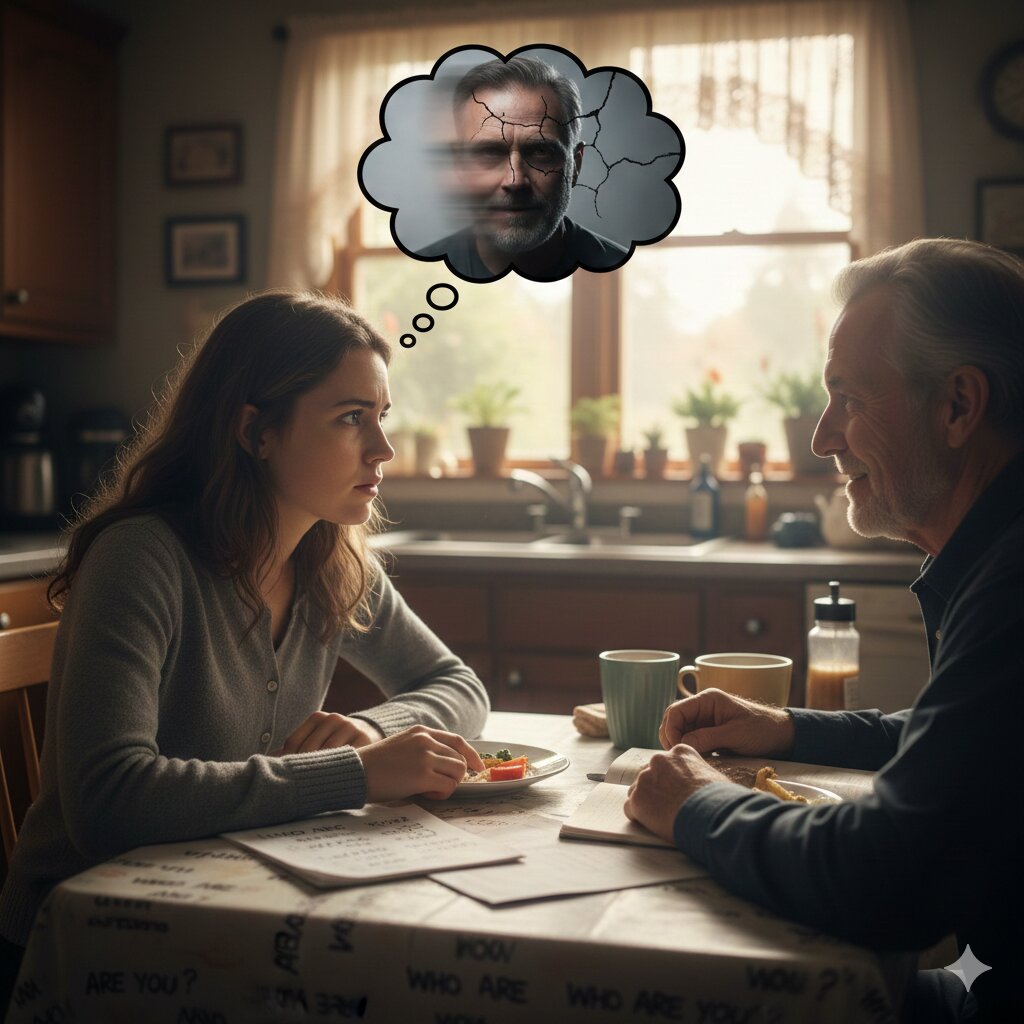
So what does the mind do? It tries to find certainty. It asks again. It checks again. It asks you to think it through one more time, and then one more time after that. This doubt grows in the form of “maybe.”
- Maybe if you just research it a little longer
- Maybe if you ask one more person
- Maybe if you go back and look one more time
Imagine spending four hours trying to decide which route to take to a family dinner. It’s not because you don’t know the roads, but because your mind won’t let you feel okay about any option.
The doubt leads to analysis paralysis of events that may never come to pass:
- What if something goes wrong?
- What if you made the wrong call?
This is incredibly real for a lot of people, even if they’ve never had a name for it until now.
Some people describe it as being stuck in quicksand. The more you struggle to make the “right” choice, the deeper you sink. Every attempt to resolve the doubt just creates more doubt. And at some point, avoidance starts to feel like the only way out.
“Just don’t go. Just don’t decide. Just wait, and maybe the stress will ease off.” It doesn’t, though. It waits too.
OCD Impact on Daily Life: It Shows Up Everywhere, Even in the Small Things
Identifying the condition is the first step to understanding OCD’s impact on daily life. And the impact is real. You might recognise some of it during your own day. Or maybe you recognise it in someone you love, and are confused about why they seem so stuck over things that look simple from the outside.
Tedious Daily Rituals
Mornings become a battle before the day has even started. Getting dressed involves a whole ritual of checking and re-checking. It’s not because the clothes are wrong, but because something doesn’t feel right yet, and you don’t know exactly when it will.
A fear of contamination can turn eating into something complicated, full of rules and precautions that nobody else around you seems to need.
Work emails pile up because sending one feels too risky. You wonder:
- What if something is misread?
- What if you made an error you haven’t caught yet?
So you re-read it. Maybe seven times, sometimes more. You still don’t feel sure, so you don’t send it at all.
Difficulty in Relationships
Relationships start to feel the pressure too, sometimes quietly, over months. Friends and family often get pulled into the cycle without even realising it. You ask them for reassurance:
- “I did lock it, right?”
- “You’re sure I didn’t hurt anyone?”
- “Do you think I made the wrong call?”
They answer, and you feel okay for a short while. Then the doubt returns, slightly reshaped, and you need to ask again.
It’s not that you don’t trust them; it’s that OCD has made trust nearly impossible, especially trust in yourself. You second-guess your own memory, and sometimes even your own intentions. You second-guess whether what felt fine five minutes ago is actually fine at all.
In time, exhaustion catches up and affects you not just mentally, but physically as well. You can sleep eight hours and still wake up tired, because your mind never stops being active.
This Is a Condition, Not a Character Flaw
One of the biggest things that stops people from getting help is shame. The internal voice that says: Why can’t I just decide? Why am I like this? Other people don’t do this.
Here’s what we want to say clearly: this isn’t weakness. OCD is a mental health condition, not a personality quirk you can “logic your way” out of. The part of your mind that’s supposed to send the “you’re safe, move on” bit isn’t doing that the way it should right now. That’s not your fault.
The rituals, the reassurance-seeking, the avoidance—they all make sense as responses to stress or intrusive thoughts that feel genuinely unbearable. Your mind is trying to protect you. It’s just using a strategy that makes things worse over time, not better.
Every time a compulsion brings temporary relief, it teaches the mind that the compulsion was necessary. So the mind keeps asking for it, louder, in more situations, more insistently.
On average, people with OCD wait seven to eight years before seeking help. A lot of that waiting happens because they don’t recognise what they’re dealing with. Some of it happens because they’re ashamed.
And some of it happens because they’ve tried to explain it to people and met with “just stop thinking about it” responses, which, you know if you’ve ever lived with OCD, is about as useful as telling someone with a broken leg to walk it off.
You’re not weak for struggling with this. You’ve actually been managing something enormous, mostly on your own, for a very long time. That counts as a lot.
Severe OCD Treatment: Getting Out of the Loop
Now for the part you genuinely need to hold onto: recovery is possible. And we’re talking about full recovery, not a way to manage each day of your life. The right OCD treatment helps you actually get your life back.
People who once couldn’t leave their homes go on to live freely. That’s real.
ERP
The best severe OCD treatment method is ERP. It’s one of the structured treatment methods within Cognitive Behavioral Therapy. It’s a process that exposes the individual to situations that can overwhelm. But the key is not to try to suppress the obsession and let the feeling go on. It’s a process that helps you understand that with real support, you can go through this feeling without the ritual.
Over time, your mind updates its understanding. Uncertainty stops feeling like a catastrophe you must prevent at all costs. Doubt stops feeling like a command. The grip loosens, and the world gets bigger again.
It isn’t easy in practice. Sitting with stress deliberately is hard, and doing it well takes proper guidance. But it works, consistently, for people who stick with it.
What also matters enormously is the support around you. Because well-meaning people, people who love you, often accidentally keep the cycle going. Answering reassurance questions feels kind at the moment, but it can quietly slow your recovery down.
Good support looks different: informed, consistent, and working with the recovery process rather than around it.
Choose Your Way Out, Today
You’ve spent long enough letting this condition call the shots. It’s time to take a stand.
OCD can control your days, weeks, months, and even a few years of your life, affecting your peace and your productivity. It can eat into your life quietly. But if you’re reading this, and silently recognising its patterns, then what you’re experiencing is real.
But the truth? You’re not broken, and you’re not past the phase where chronic OCD treatment cannot help. You are going through something genuinely difficult, but at the same time, it’s curable.
Yes, seeking help might seem like giving up at times. But it’s not.
In fact, seeking help is the bravest thing you can do on your own. If you’re ready, or even just almost ready, reach out. Talk to someone who specialises in OCD specifically, not just mental health in a general sense. That distinction matters more than most people realize.