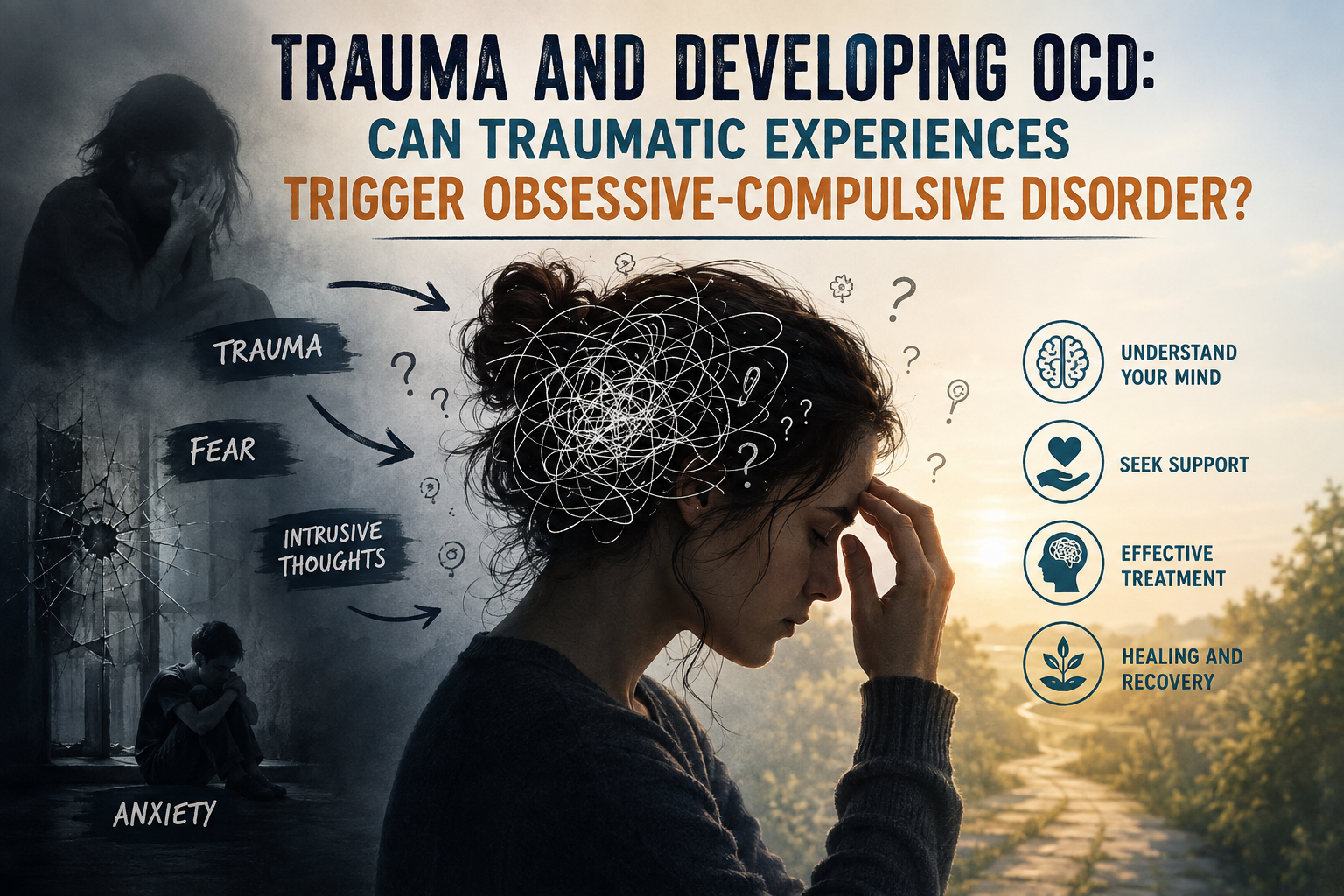


Understanding False Memory OCD
False Memory OCD is one of the most distressing forms of Obsessive-Compulsive Disorder. Individuals struggling with this condition often experience intrusive doubts about past events and begin questioning whether they did something wrong, harmful, embarrassing, or immoral. These thoughts can feel extremely real, even when there is no evidence to support them. Learning how to overcome false memories starts with understanding that these fears are created by anxiety and obsessive thinking patterns rather than reality.
Many people with False Memory OCD repeatedly replay situations in their minds, searching for certainty. They may constantly analyze conversations, memories, or actions from months or even years ago. Unfortunately, this mental reviewing only strengthens anxiety and keeps the OCD cycle active. Understanding how to overcome false memory ocd involves breaking this cycle instead of feeding it with reassurance-seeking behaviors.
False Memory OCD causes the brain to treat uncertainty as danger. A small doubt quickly becomes an obsession. For example, someone may suddenly question whether they hurt someone accidentally, lied during a conversation, committed a mistake at work, or behaved inappropriately in the past. Even when logic says nothing happened, the mind continues demanding certainty.
One of the biggest challenges with False Memory OCD is that memories are never perfectly clear. OCD uses this uncertainty to create fear. The individual may think, “What if I forgot something terrible?” or “What if my memory is wrong?” These thoughts become repetitive and emotionally exhausting.
Learning how to overcome false memories requires recognizing that certainty is impossible. Recovery focuses on accepting uncertainty instead of trying to eliminate it completely.
Signs of False Memory OCD
People struggling with False Memory OCD may experience:
- Constant mental reviewing of past situations
- Repeatedly asking others for reassurance
- Guilt and shame without evidence
- Fear of being a bad person
- Difficulty trusting personal memories
- Anxiety triggered by random reminders or thoughts
- Obsessive internet searching for answers
These symptoms can interfere with relationships, work performance, sleep, and emotional well-being. Understanding these patterns is an important step in learning how to overcome false memory ocd.
Why Reassurance Makes False Memory OCD Worse
Many individuals try to reduce fear by checking memories repeatedly or asking others if something bad happened. While reassurance may bring temporary relief, it strengthens OCD over time. The brain learns that uncertainty is dangerous and continues demanding more checking.
Instead of searching for perfect certainty, recovery involves allowing uncertainty to exist without reacting to it compulsively. This approach gradually reduces anxiety and weakens obsessive thinking patterns.
Helpful Strategies for Recovery to Overcome False Memory OCD
1. Accept Uncertainty
One of the most powerful ways to manage False Memory OCD is learning to tolerate uncertainty. Instead of trying to prove whether something happened, practice accepting that you may never feel completely certain.
2. Reduce Mental Reviewing
Replaying situations repeatedly keeps the obsession active. When you notice yourself analyzing memories again, gently redirect your attention to the present moment.
3. Practice Acceptance Commitment Therapy (ACT)
ACT helps individuals observe intrusive thoughts without attaching meaning to them. Thoughts are treated as mental events rather than facts. This can reduce fear and emotional reactions significantly.
4. Avoid Reassurance Seeking
Repeatedly asking friends, family, or online forums for validation may temporarily reduce anxiety but ultimately strengthens OCD patterns.
5. Focus on Daily Life
Engaging in meaningful activities, exercise, hobbies, and social interaction can help shift attention away from obsessive thinking and improve emotional balance.
These approaches are valuable for people learning how to overcome false memory ocd and regain confidence in daily life.
Professional Therapy for False Memory OCD Can Help
False Memory OCD often becomes overwhelming without proper guidance. Working with experienced OCD therapists can help individuals understand intrusive thoughts and build healthier responses to anxiety. Therapy provides practical coping techniques that support long-term recovery.
At Emotion of Life, our mental health professionals offer personalized therapy support designed to help individuals manage obsessive thoughts, reduce compulsions, and improve emotional well-being. We focus on compassionate care in a safe and supportive environment.
If you are searching for guidance on how to overcome false memory ocd, professional support can make recovery more structured and manageable.
Why Choose Emotion of Life for False Memory OCD Recovery?
Key Highlights
- Daily intensive CBT + ERP therapy designed for faster emotional recovery
- Unique 16-step transformation framework focused on long-term positive change
- Deep focus on identifying root causes, including past experiences, present challenges, and future risk patterns
- Guidance from a multi-disciplinary expert team with personalized care approaches
- Strong daily monitoring and progress validation system for continuous improvement
- 365-day cure certification supported through a 4-layer validation process
- Flexible Online (4-month) and Onsite (4-week, Agra) program options available
- 24×7 assistance for clients and family members throughout the recovery journey
- Focus on recovery without long-term dependency approaches
- Emphasis on emotional healing, trauma resolution, and healthy life transformation
- Active family involvement and practical training for better support at home
Healing Minds, Transforming Lives
📞 Call: +91 9368503416
📧 Email: info@emotionoflife.in
🌐 Visit: Emotion of Life Official Website
Book Now | Review | OCD Types | Meet Our Experts | Success Stories| Contact Us| My Psychologist